The Surprising Pillow Mistake That May Be Making Your Snoring Worse
“When he handed me a butterfly-shaped pillow, I almost laughed. Six weeks later, I was crying tears of relief.”
Last Updated: March 25, 2026
For 15 years, I thought waking up exhausted was just part of getting older.
My husband Mark’s snoring had gotten so bad that we hadn’t shared a bed in three years. The separate bedrooms were supposed to be temporary — just until we “figured it out.” But as the months turned into years, our marriage started feeling more like a roommate arrangement than a partnership.
I’d tried everything the doctors recommended. CPAP machines that felt suffocating. Dental devices that left his jaw aching. Over-the-counter sprays and strips that did absolutely nothing. Even a sleep study that cost over $4,000 and confirmed what we already knew: moderate obstructive sleep apnea.
Nothing was working. And the exhaustion wasn’t just ruining our nights — it was slowly destroying our days, our health, and our marriage.
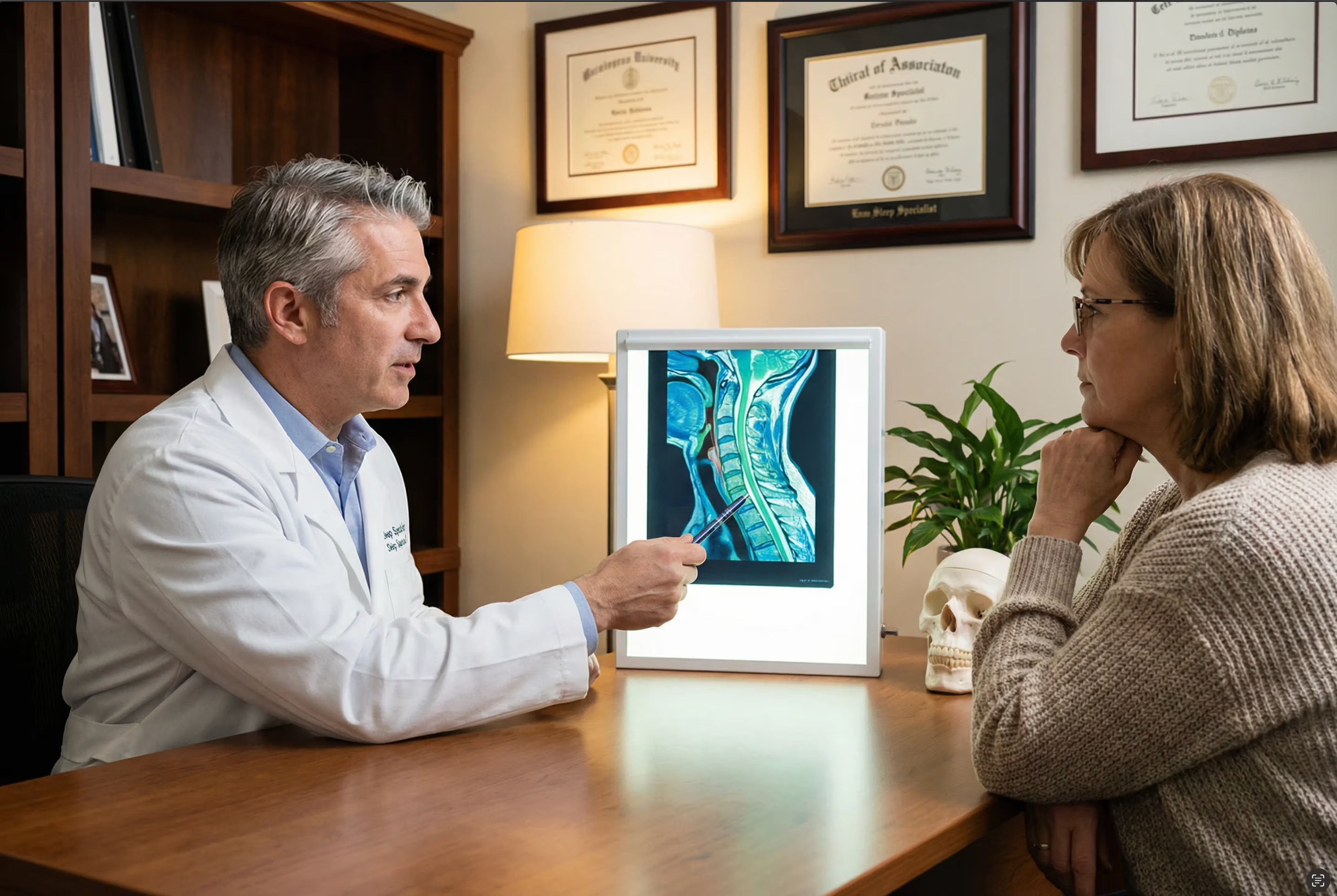
Then, during a routine checkup, his new doctor asked a question that changed everything:
“Has anyone ever looked at what your pillow is doing to your airway?”
The Condition Hiding in Nearly a Billion Bedrooms Worldwide
Before I share what happened next, you need to understand what we were really dealing with — because sleep apnea isn’t just about snoring.
Obstructive sleep apnea (OSA) occurs when the soft tissues in the throat collapse during sleep, partially or completely blocking the airway. This can happen dozens — even hundreds — of times per night. Each time, blood oxygen plummets, the heart races, and the body floods with stress hormones.
And the numbers are staggering.
A 2025 Lancet Respiratory Medicine study projects 77 million Americans could be affected by 2050 — a 35% increase from 2020
Approximately 80% of moderate to severe cases remain undiagnosed
Untreated severe OSA may increase cardiovascular death risk by up to 3x
Research links OSA to a nearly 4x higher stroke risk and 2.15x higher diabetes risk
Patients may be 2.5x more likely to be involved in motor vehicle accidents
“Most people think they just snore a bit,” Mark’s sleep specialist, Dr. James M., told us during our first visit. “They have no idea that their body is essentially suffocating and then restarting — over and over — all night long. The cardiovascular damage accumulates silently for years before it shows up as a heart attack, stroke, or sudden cardiac event.”
Why the “Gold Standard” Treatment Fails Most Patients
After Mark’s diagnosis, we did exactly what the doctor recommended.
CPAP machine. The “gold standard” for sleep apnea treatment.
Here’s what happened:
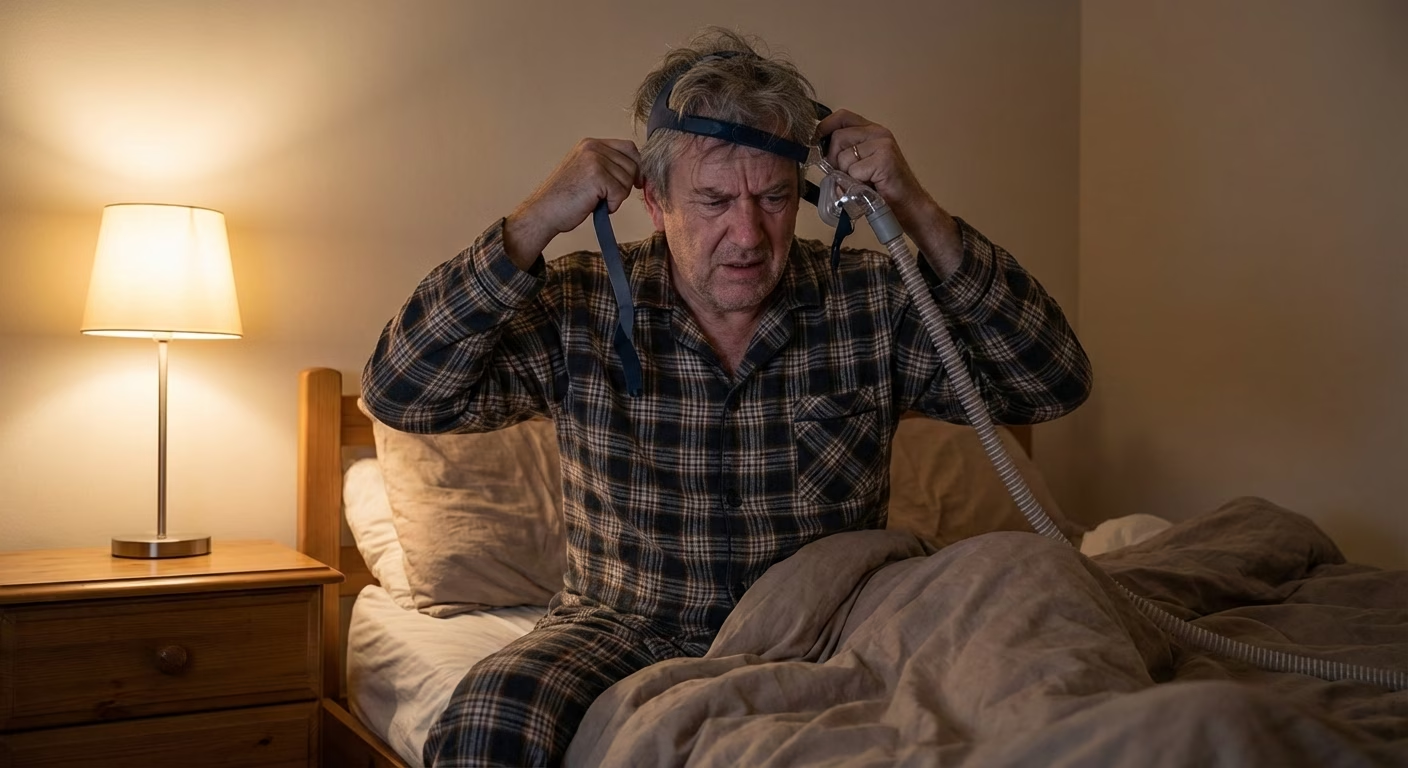
Week 1: The mask felt claustrophobic. Mark ripped it off in his sleep every single night. I found it on the floor each morning.
Month 2: Skin irritation, dry mouth, a feeling of claustrophobia that bordered on panic. He tried three different mask types. None worked.
Month 5: The machine sat in the closet. Like it does for millions of other patients.
Research shows 46-83% of patients don’t use their CPAP as prescribed (Journal of Clinical Sleep Medicine)
Long-term CPAP use can be as low as 30% in some studies
A study of 789,260 patients found only 44.8% of women aged 18-30 were still using CPAP by day 90
Average CPAP compliance may drop to just 2-4 hours per night — well below the minimum recommended threshold
Annual supply costs: $500-$1,500 per year — and the device only works while you’re wearing it
We also tried these alternatives — all failed:
- Custom dental appliance ($3,200): Left his jaw aching every morning. He stopped after 6 weeks.
- Nasal strips and sprays: No measurable difference. Multiple brands tried.
- Positional therapy (tennis ball in t-shirt): He pulled the shirt off in his sleep every night.
- Weight loss programme: Lost 12 lbs over 4 months — snoring slightly reduced but apnea events unchanged.
- Throat exercises (myofunctional therapy): Six months of daily exercises. Marginal improvement at best.
- Surgical consultation: $15,000-$30,000 with no guarantee. We couldn’t justify the risk.
“I felt hopeless,” I remember telling my sister on the phone. “We’ve spent thousands of dollars and three years of our marriage on this. Nothing works.”
The Discovery That Sleep Specialists Don’t Advertise
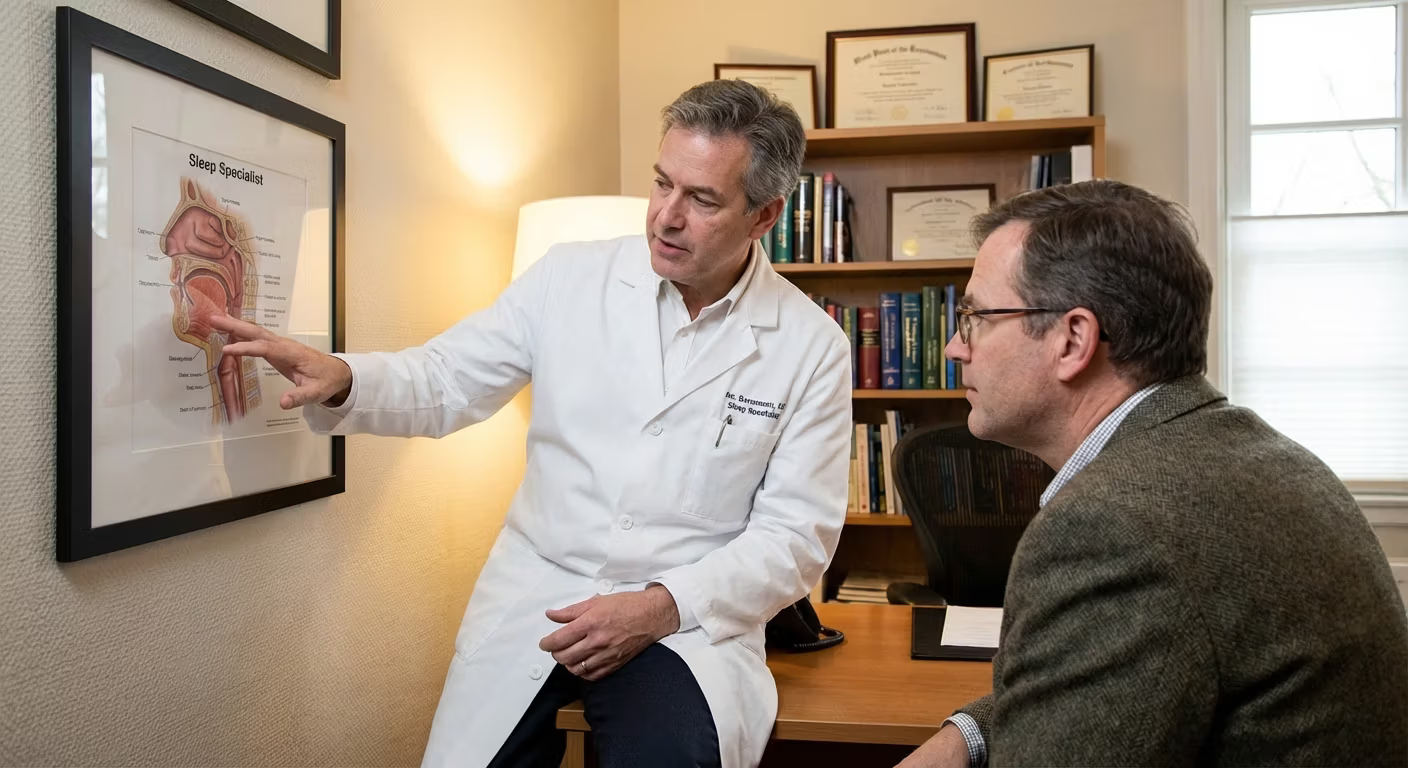
After the CPAP failure, we scheduled one more appointment with Dr. James M. — a sleep specialist who had been studying alternative approaches for over a decade.
He said something I’ll never forget:
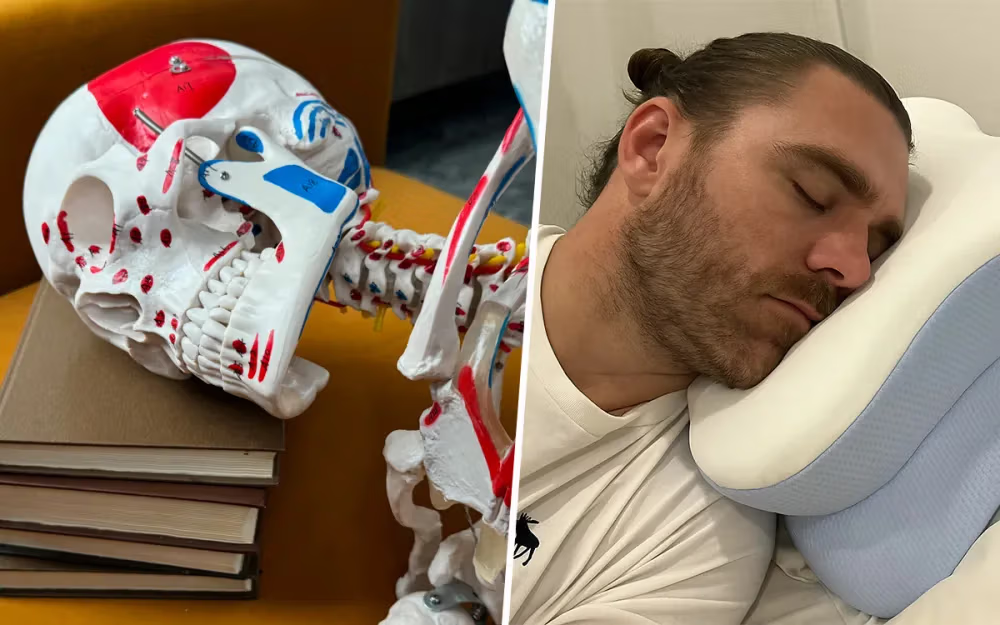
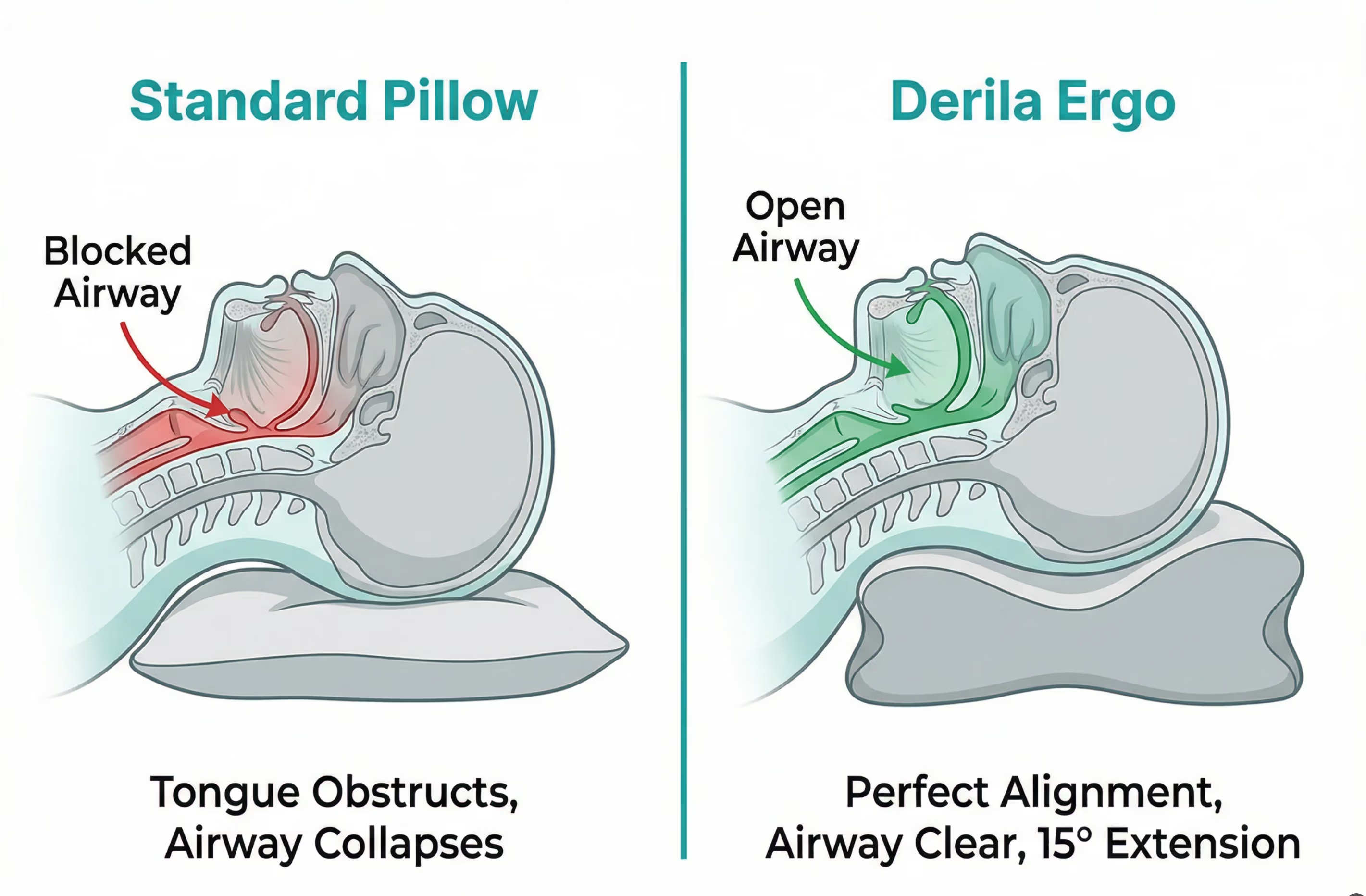
He explained that most sleep apnea episodes happen because of a simple biomechanical problem: the head and neck aren’t positioned to keep the airway open.
When your head tilts backward on a standard pillow — even slightly — the tongue and soft palate can fall against the posterior pharyngeal wall, narrowing or blocking the airway. Traditional pillows make this worse because they either provide too little support (head falls back) or push the chin toward the chest (another airway-narrowing position).
Then he pulled out a pillow that looked like nothing I’d ever seen.
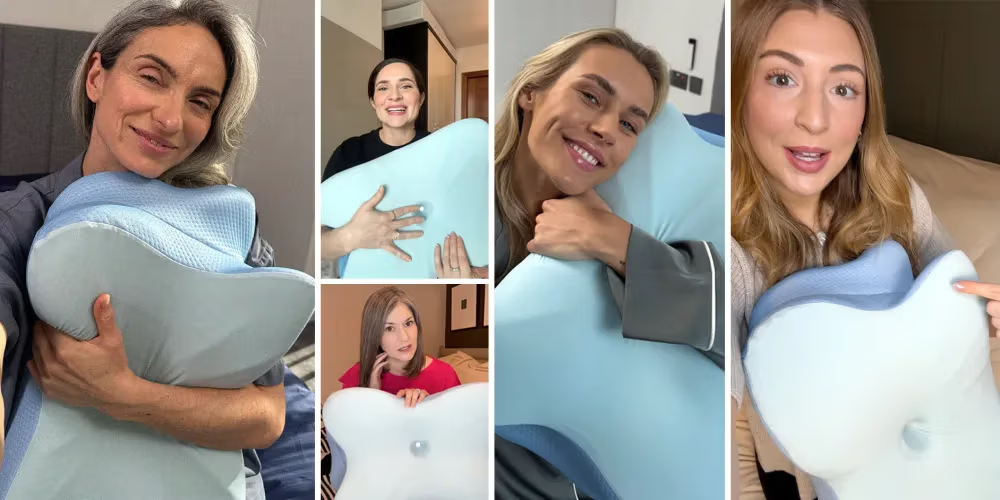
It was shaped like a butterfly.
The Derila Ergo: Swiss-Engineered for Sleep Apnea
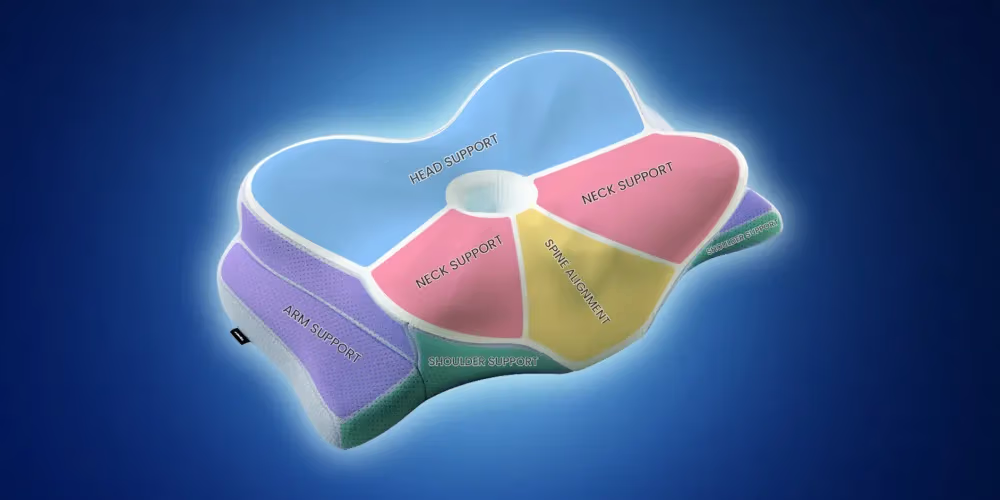
Dr. James M. explained that this wasn’t just any pillow. The Derila Ergo was developed by Swiss sleep engineers specifically to address the root biomechanical cause of obstructive sleep apnea: airway collapse due to improper head and neck positioning.
The butterfly design does three critical things simultaneously:
1. Elevates the jaw forward — which may help prevent the tongue from falling back and blocking the airway
2. Aligns the cervical spine — helping keep the trachea open at an optimal 11-15 degree angle
3. Supports side sleeping — the position research suggests can help reduce apnea events by up to 50%
The high-density memory foam maintains shape all night — no flattening or collapsing
The central contour cradles the head while raised wings support the neck at the optimal angle
The shoulder arch design may help reduce muscle tension and improve spinal alignment
Works for all sleep positions: back, side, and stomach
Cooling layer helps regulate temperature for uninterrupted sleep
“I was sceptical,” I admit. “After spending thousands on treatments that didn’t work, a pillow seemed too simple.”
But Dr. James M. reminded me: “The most effective solutions aren’t always the most complicated ones. Sometimes the body just needs the right support in the right position.”
Check Availability & Claim Your 70% Discount →Night One: The Silence That Brought Me to Tears
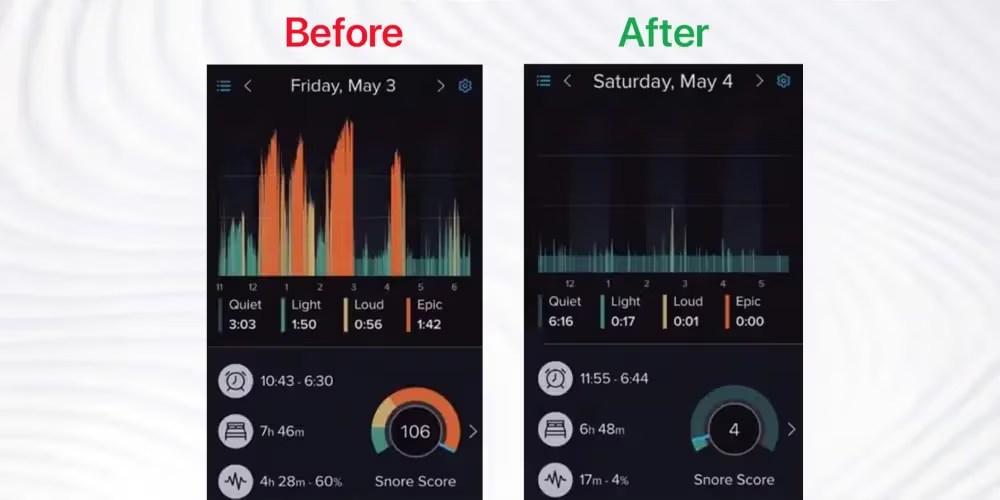
For the first time in three years, there was silence — the peaceful kind. No gasping. No choking. No thunderous snoring.
I lay in the darkness, listening to Mark breathe normally. Quietly. Steadily.
I cried. Not from sadness — from relief.
The 30-Day Transformation
- Night 1-3: Snoring reduced by what felt like 70-80%. First full nights of uninterrupted sleep in years. The butterfly shape felt unusual at first but comfortable within minutes.
- Week 1: No more morning headaches. Mark said his energy levels were “completely different.” His daytime drowsiness — the kind that made him dangerous behind the wheel — started to fade.
- Week 2: I moved back into our bedroom. Three years of separate sleeping — over. I still remember the look on his face that morning.
- Week 3: His blood pressure reading at the GP: 135/86. Down from 152/94 three weeks earlier. His doctor was “very encouraged.”
- Week 4: He lost 4 lbs without trying or changing his diet. Dr. James M. explained this is common — better sleep may help regulate the hormones that control appetite and metabolism.
We’re Not the Only Ones



Who Could Benefit From the Derila Ergo?
- Chronic snoring that disrupts your sleep or your partner’s
- Diagnosed mild to moderate sleep apnea
- CPAP intolerance or non-compliance (you’re not alone — research confirms this is extremely common)
- Waking up gasping, choking, or with a severely dry mouth
- Excessive daytime fatigue despite adequate sleep hours
- Morning headaches that disappear by mid-morning
- Neck pain that may be worsening your sleep quality
- Sleeping in a separate room from your partner
- High blood pressure that isn’t responding well to medication
The Investment That May Pay for Itself
| Sleep study diagnosis | $3,000 – $5,000 |
| CPAP machine + annual supplies | $1,500 – $3,000/year |
| Custom dental appliance | $2,000 – $3,500 |
| Surgical procedure | $15,000 – $30,000 |
| Couples therapy | $150 – $250/session |
| ER visit for cardiac event | $50,000 – $250,000+ |
| Derila Ergo (with current discount) | Under $100 |
Right now, Derila Ergo is offering an exclusive 70% discount for a limited time. That’s less than the cost of a single doctor’s appointment — for a solution that could help transform your sleep quality every night.
And with a full 30-day money-back guarantee, there’s genuinely no risk. If it doesn’t work for you, send it back for a complete refund.
Two Futures

If You Do Nothing:
- ❌ The snoring continues — and may get worse with age
- ❌ Separate bedrooms become permanent
- ❌ Cardiovascular risk compounds year after year
- ❌ Daytime exhaustion becomes your new normal
- ❌ Relationship strain grows silently
- ❌ Risk of drowsy driving accidents increases
If You Try the Derila Ergo:
- ✅ Snoring may reduce significantly within days
- ✅ Your partner may finally sleep peacefully
- ✅ You may wake up with real energy again
- ✅ Your heart and brain may get the oxygen they need
- ✅ 30-day guarantee means zero risk
- ✅ Under $100 vs thousands on failed treatments
Common Questions
Is the Derila Ergo a medical device?
No — the Derila Ergo is an ergonomic pillow, not a medical device. It is not intended to diagnose, treat, cure, or prevent any disease. However, many users with mild to moderate sleep apnea who struggle with CPAP have reported meaningful improvements in sleep quality. Always consult your doctor about your treatment plan.
How quickly will I notice a difference?
Many users report changes within the first 1-3 nights. The most common early observation is reduced snoring. Full benefits typically develop over 2-4 weeks as your body adjusts to the improved sleep positioning.
Does it work for all sleep positions?
Yes — the butterfly design was specifically created for back, side, and stomach sleepers. Side sleeping is the position most recommended by sleep specialists for sleep apnea, and the raised wings provide excellent support in this position.
What if my sleep apnea is severe?
For severe sleep apnea (AHI above 30), please work closely with your sleep specialist. The Derila Ergo may complement your existing treatment plan but should not be considered a standalone solution for severe cases.
What’s the return policy?
Full 30-day money-back guarantee. If you’re not satisfied for any reason, return it for a complete refund. No questions asked.
Check Availability & Get Your 70% Discount →A personal note from Emma:
It’s been four months since Mark started using the Derila Ergo. We sleep in the same bed every night. His blood pressure is better than it’s been in a decade. His energy is back. Our marriage feels like it did 15 years ago.
I’m not a doctor. I can’t tell you this will work for everyone. But I can tell you that after three years of separate bedrooms, thousands of dollars in failed treatments, and a marriage that was slowly falling apart — a butterfly-shaped pillow gave us our life back.
If you or your partner snores, if you’ve tried CPAP and given up, if you’re tired of being tired — please at least try this. The 30-day guarantee means you have nothing to lose.
Except maybe a few more years of terrible sleep.